

How excellence, not perfection, transforms communities.
The best day they ever had. How excellence, not perfection, transforms communities.
I have spent 25 years designing moments that people never forget. This is what I have learned about why some experiences change everything and others change nothing.
It was a pin-drop moment.
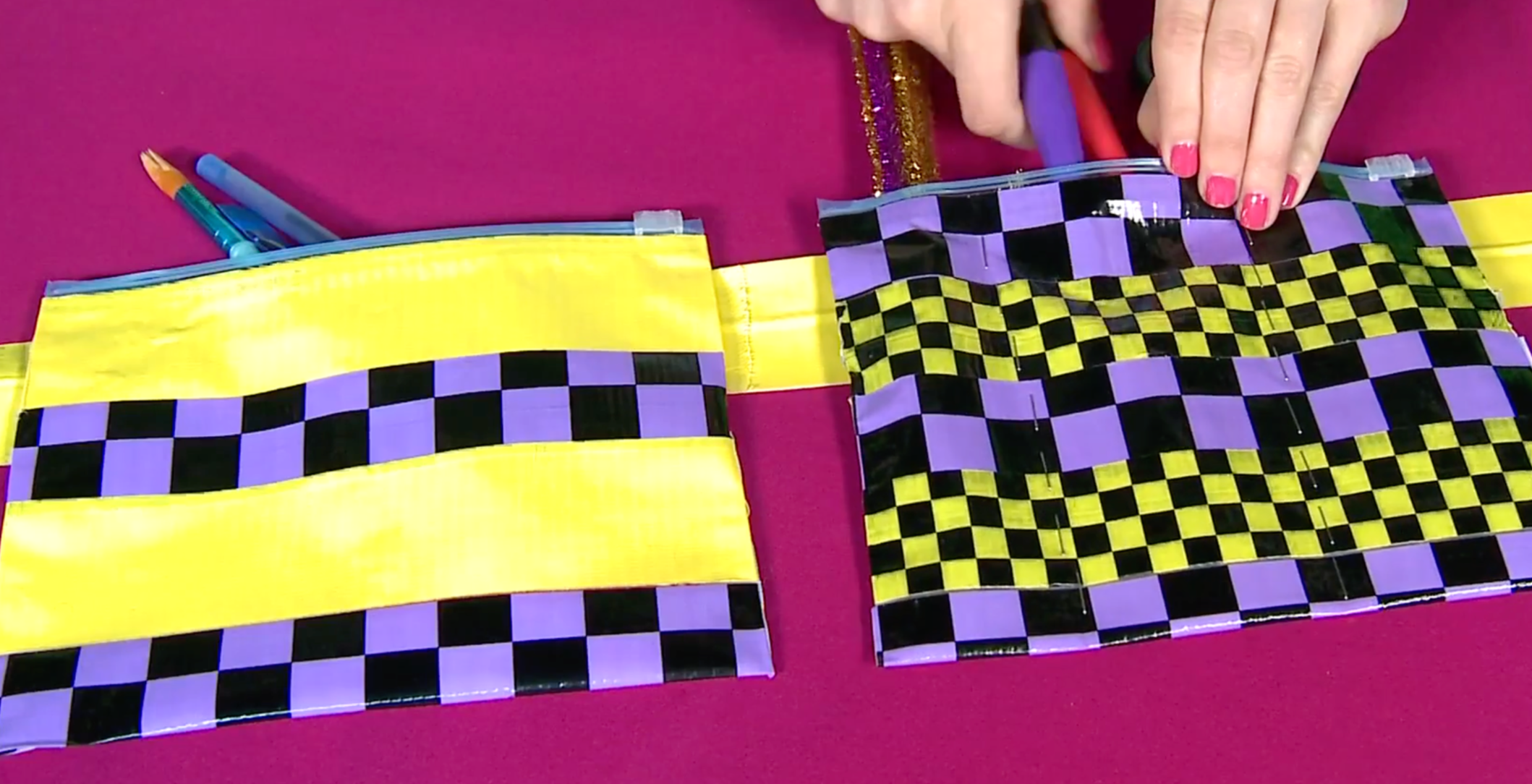
I had just held up a belt. Made entirely of duct tape. With pockets, harnesses, loops and straps. A whole room of children stared at it in silence and then something shifted in the air. You could almost hear it.
They had just met a real duct tape artist. They had heard the brief. And now, here in front of them, was the proof of what was possible. Not a finished product to copy. Not a set of instructions to follow. A provocation. An invitation. A glimpse of what they might become in the next five hours if they dared to try.
The atmosphere was electric. Not the performance kind. The real kind. The kind you cannot manufacture with a good assembly or a motivational poster. The kind that only comes when you have built all the right conditions and then had the courage to step back and let it happen.
That day did not begin with the belt. It began weeks before, in a staff meeting, when I asked a group of teachers to trust a process they had not seen before. The best experiences are not events. They are architectures.
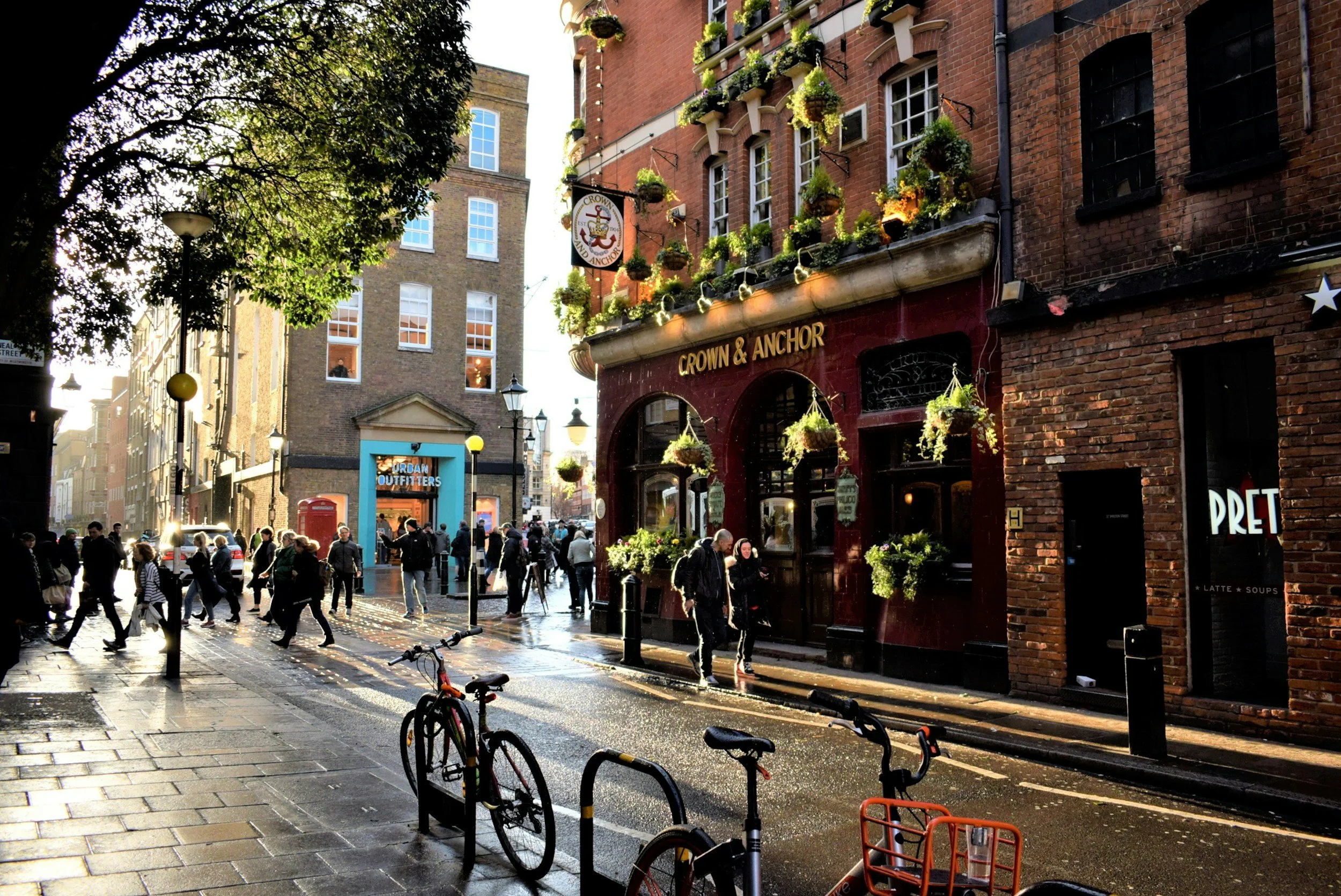
I have been designing experiences like this for 25 years. Design Technology Days where entire schools become invention studios for a day. Large-scale community productions where parents build sets, children perform and the audience leaves with tears on their faces and no clear explanation for why. Pop-up celebrations on main roads that stop strangers in their tracks and pull them into something warm and unexpected that they did not know they needed.
I have done this approximately 25 times as a whole-school DT event. I have produced 22 large-scale sell-out theatrical productions over nearly 20 years. My enthusiasm for both has not faded once. People ask me how. The honest answer is that I am not interested in perfection. I am interested in excellence. They are not the same thing.
Perfection is closed. It has a fixed endpoint, a single correct answer, a benchmark that everything is measured against and found wanting. Chasing perfection makes people cautious. It makes teams risk-averse. It makes children afraid to try.
Excellence is open. It pulls people toward something higher than where they currently are, without telling them exactly what that looks like when they arrive. It makes space for surprise. It rewards curiosity. It makes children brave.
The duct tape utility belt day was excellent because it gave every child in the room the same invitation and the freedom to respond differently. Some made minimal belts with two pockets and a clasp. Some made full body-armour systems with hidden compartments. Both were right. Both were excellent. Neither was perfect. That is the point.
The greatest creative experiences I have ever been part of shared one characteristic: nobody quite knew what they were going to make when they walked in. They only knew they were going to make something that mattered.

The staff who ran that day did not just facilitate. They were transformed by it. They went home proud in a way that is different from going home having taught a good lesson. They had been part of something. They had helped build an experience that the children in their care would describe to their grandchildren. That pride is not a by-product of excellent creative work. It is the evidence that it worked.
I am a fine artist, a theatre set designer, a visual merchandiser for London retail, a published author and illustrator. I am also a senior leader who has steered a school community through change as Acting Headteacher. These things are not separate identities. They are the same instinct applied at different scales.
The instinct is this: every human being responds to an experience that has been designed with genuine love and genuine craft. Children respond most visibly because they have not yet learned to hide it. But adults feel it too. The parent who cries at a school production. The stranger who stops on a main road because something caught their eye and pulled them in. The colleague who arrives at a planning meeting sceptical and leaves evangelical.
We are all waiting for someone to give us a brief that sets us free.
The communities I have worked with over 25 years did not lack creativity. They lacked someone willing to create the conditions in which creativity could happen. That is a different problem and it requires a different kind of leader to solve it.
What I have learned is that the conditions for excellent creative experience are remarkably consistent wherever you apply them. They require a single compelling idea at the centre, clear enough to be understood immediately and open enough to be interpreted differently by everyone in the room. They require a team that has been brought along on the journey, mentored and genuinely excited before the day begins. They require a moment of revelation, the duct tape belt held up in silence, the curtain rising, the booth appearing on the street, that shifts the atmosphere irrevocably. And they require a celebration that extends the experience beyond its own edges, into the community, into the press, into memory.
Every extraordinary experience I have ever designed has followed this architecture. None of them has been perfect. All of them have been excellent. And all of them have left the people who were part of them feeling like they were the luckiest community in the world.
That feeling is not accidental. It is the whole point.
I am thinking about where this work goes next. Not just in schools, though there is still so much to do there. But at a bigger scale. In communities that do not yet know what is possible. In organisations that understand, instinctively, that creativity is not a department or a product line but a way of being in the world.
If any of this resonates with the work you are doing, I would love to hear from you.
Jeff Schmidt